TL; DR
- Packaging is essential infrastructure in humanitarian logistics
- Automation drives scale, consistency, and resilience
- Shelf-stable packaging supports food security in remote and crisis areas
For packaging engineers, operations leaders, and supply chain professionals, understanding how packaging design, automation, and logistics intersect is essential to delivering food safely and consistently in both daily operations and crisis response.
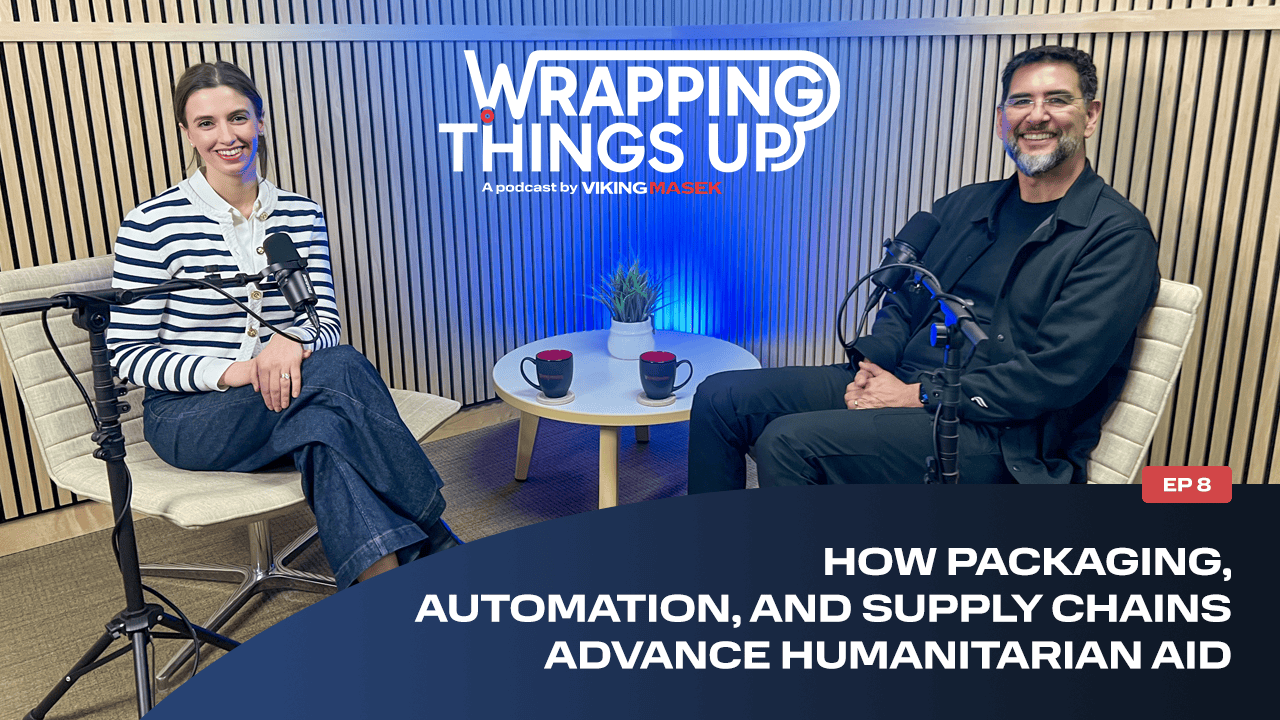
In this episode of Wrapping Things Up, Jim Raynor, Senior Director of Programs at Convoy of Hope, shares how packaging has become critical infrastructure in global food security efforts and why shelf-stable formats, automation, and long-term supply chain thinking are enabling humanitarian impact at scale.
Why Food Security is a Packaging Challenge
Food insecurity is a daily, global crisis, not an episodic event. Whether responding to catastrophic weather events or feeding school children, humanitarian organizations must solve a key challenge: how to quickly get safe, nutritious food where it’s needed, reliably and at scale.
“Poverty, famine, and food insecurity don’t take a day off.”
— Jim Raynor, Senior Director of Programs, Convoy of Hope
That’s why organizations like Convoy of Hope design on-demand food systems that can respond day after day, disaster after disaster.
Each day, Convoy of Hope serves over 640,000 children across 40+ countries. Every bag or pouch is a logistical solution and a promise delivered.
Why Nonprofits are Becoming Manufacturers
Traditionally, humanitarian organizations rely heavily on in-kind donations. However, as need and reach grow, so does the need for control and consistency. This evolution prompted a major shift from distributing food to manufacturing it.
“We believe that entering food packaging is the next logical step in our progression in meeting the needs of everyone around us."
Launching their 50,000 square-foot facility in 2026 reflects a bold strategy that aligns with a broader trend of nonprofits adopting manufacturing mindsets.
Why Shelf-Stable Packaging is Essential for Food Relief
Refrigeration isn’t always an option in rural communities or disaster zones. Shelf-stable packaging removes this limitation, allowing the Convoy of Hope team to:
- Pre-position and distribute aid for faster response
- Reach communities and regions where cold storage isn’t possible
- Reduce food spoilage and waste
Shelf-stable packaging is a critical pillar in global food relief.
Automotion: Scaling Compassion Alongside Operations
Many times automation gets framed as a cost-saver. For Convoy of Hope and other humanitarian nonprofits, it’s a capacity multiplier. Automation is a way to sustain consistency, speed, and safety at scale.
“One of the messages we heard from our partners was ‘If you can automate, automate as much as possible’.”
Likewise, COVID-19 shone a light on just how fragile manual systems can be. Automation equips Convoy of Hope to meet demand surges without burning out the team.
“We’re not only building for today. We’re building for the future.”
That future includes the goal of feeding one million children each school day by 2030.
Packaging is Dignity, Not Just Delivery
“We want to bring really good quality packaging and food sources to those who are hungry and those who can’t purchase meals for their families.”
Retail-quality packaging signals to recipients: you matter. It reduces stigma and honors end users everywhere.
“Packaging transcends function. It provides dignity, honor, and respect whether in a disaster shelter, rural school, or underserved region.”
Designing for the End User, Even in Crisis
Packaging for humanitarian use must survive the chaos of crisis. Every package must work as intended, in unpredictable environments for people experiencing varying levels of trauma or loss.
Jim also points to how packaging isn’t designed in isolation.
“What good is a feeding program if you don’t have clean water? Packaging fits into a larger ecosystem of wells, schools, and community gardens.”
Packaging is a Pillar of Humanitarian Strategy
Jim describes Convoy of Hope’s new food packaging initiative as a massive step of faith.
“It’s not our job to know the absolute details. It’s our willingness to step in.”
Through this lens, packaging isn’t a line item. It’s infrastructure for impact. It bridges logistics systems and people in need. When done with care, it delivers both food and compassion.
Hear more from Jim Raynor on the Wrapping Things Up podcast, and browse past episodes for more thoughtful discussions on packaging’s real-world impact.
Frequently Asked Questions (FAQs)
What role does packaging play in food security?
It protects food in transit, extends shelf life, and enables wide distribution — especially where refrigeration is unavailable.
Why is shelf-stable packaging important in humanitarian work?
It enables pre-positioning, longer shelf life, and reduced spoilage, making aid more accessible and effective.
How does automation help humanitarian organizations scale impact?
It increases speed, consistency, and capacity, especially during crisis surges.
What makes packaging dignified in a humanitarian context?
Retail-quality packaging reduces stigma and shows recipients that they’re respected and valued.
What should be considered when designing packaging for disaster relief?
Durability, ease of handling, cultural fit, and label clarity, especially in high-stress environments.